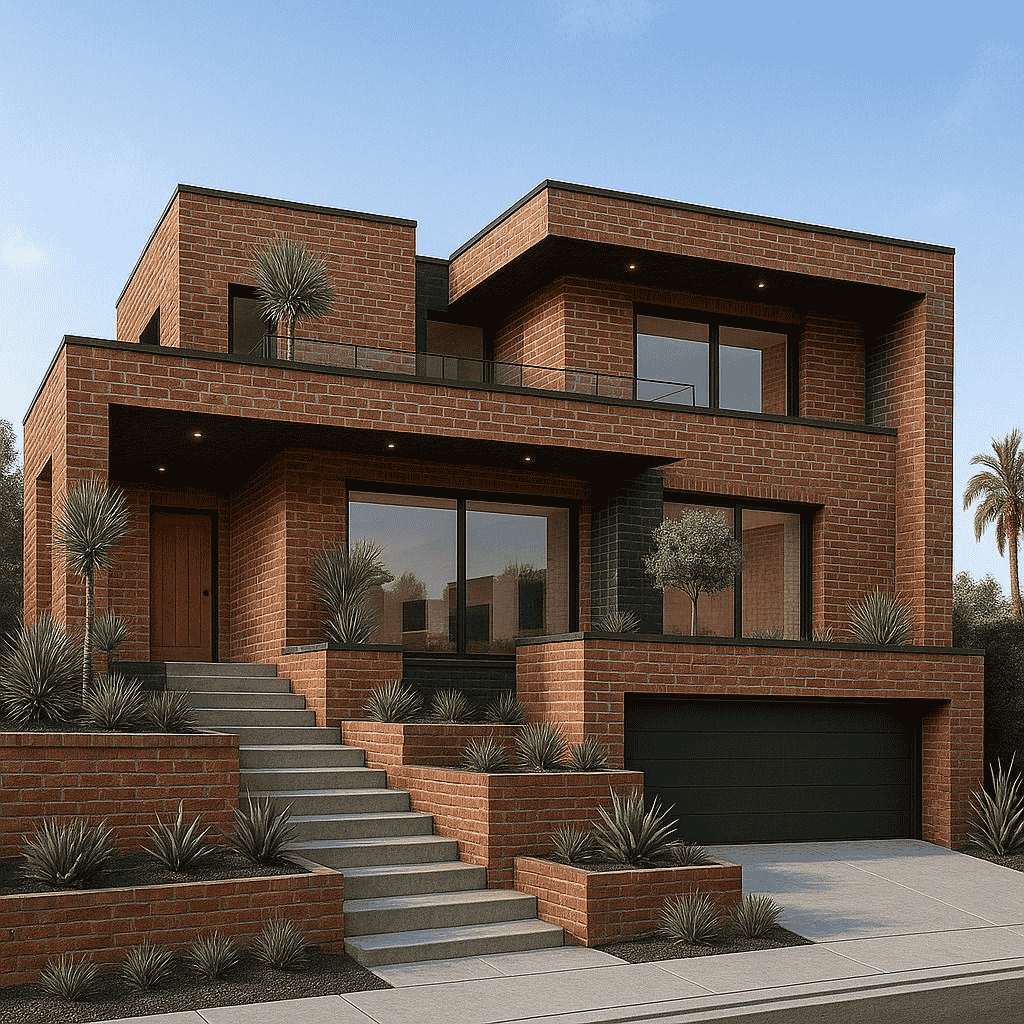
The Hidden Cost of Concrete: How Interlocking Bricks in Ghana Save You Thousands
Building a home in Ghana today is more expensive than ever. Cement prices continue to rise, labor costs keep increasing, and many first-time builders underestimate the hidden expenses that come after the foundation is complete. For many families, the dream of owning a home slowly turns into a financial burden because the true cost of traditional construction goes far beyond blocks and cement.
This is why more developers, homeowners, and real estate experts are paying attention to Interlocking bricks Ghana solutions as a smarter and more affordable alternative. Unlike conventional concrete block construction, interlocking bricks reduce cement usage, eliminate many finishing costs, speed up construction, and even create naturally cooler homes in Ghana’s hot climate.
Platforms like Houses for Sale in Ghana are helping property seekers discover modern housing opportunities and smarter construction options, while GetRooms continues to simplify hostel bookings and accommodation access for students across Ghana.
If you are planning to build, invest, or reduce your overall construction costs, understanding how interlocking bricks work could save you thousands of Ghana cedis in the long run.
The Real Cost of Traditional Concrete Construction in Ghana
When people estimate the cost of building in Ghana, they usually focus on visible expenses like cement, sand, iron rods, and roofing sheets. However, the largest financial drain often comes from the hidden costs attached to traditional concrete block construction.
The first challenge is cement dependency. Conventional block construction requires cement for:
- Labor Intensity: Laying traditional blocks is slow. In a country where daily wages for skilled artisans are rising, every extra day on-site eats into your contingency fund.
- Material Waste: Sand and cement are often wasted during the mixing process on-site, and poor-quality blocks often break during transportation.
- Plastering: Traditional blocks are often uneven, requiring thick layers of mortar and plaster on both the interior and exterior to achieve a smooth finish. This consumes hundreds of extra cement bags.
- The Heat Trap: Concrete blocks retain heat, leading to higher electricity bills as you struggle to keep your home cool during the March heatwaves in Accra.
As cement prices fluctuate, the total project budget can rise dramatically midway through construction.
Transportation is another hidden expense. Sand, quarry dust, and cement must often be moved over long distances, especially for projects outside Accra or Kumasi. Fuel price increases also impact delivery costs.
Then comes labor.
Traditional concrete buildings require:
- Block layers
- Plasterers
- Painters
- Finishing specialists
Each stage adds separate labor costs and extends project timelines.
One of the biggest overlooked expenses is plastering and painting. Many homeowners spend tens of thousands of cedis simply trying to achieve smooth wall finishes after block installation. Cracks appear over time, forcing repainting and maintenance every few years.
This is where many people begin searching for cheaper building materials and alternative construction methods that can reduce both immediate and long-term costs.
READ ALSO: Financing Your Ghana Home: Can You Buy a House in Ghana with US Dollars?
What Are Interlocking Bricks?
Interlocking bricks are specially designed compressed earth or stabilized soil blocks that fit together like puzzle pieces. Instead of relying heavily on mortar between blocks, the bricks lock into one another mechanically, creating strong and stable walls with minimal cement use.
The technology is becoming increasingly popular because it offers:
- Faster construction
- Reduced material waste
- Lower labor costs
- Better thermal insulation
- Cleaner architectural finishes
In Ghana, interlocking bricks are commonly made from:
- Laterite soil
- Sand
- Small quantities of cement stabilizer
Unlike traditional concrete blocks, these bricks often do not require full plastering or painting, which significantly reduces finishing expenses.
The growing popularity of interlocking brick Ghana projects is driven largely by affordability and sustainability. Homeowners are realizing that they can build attractive, durable homes while spending far less on cement and labor.
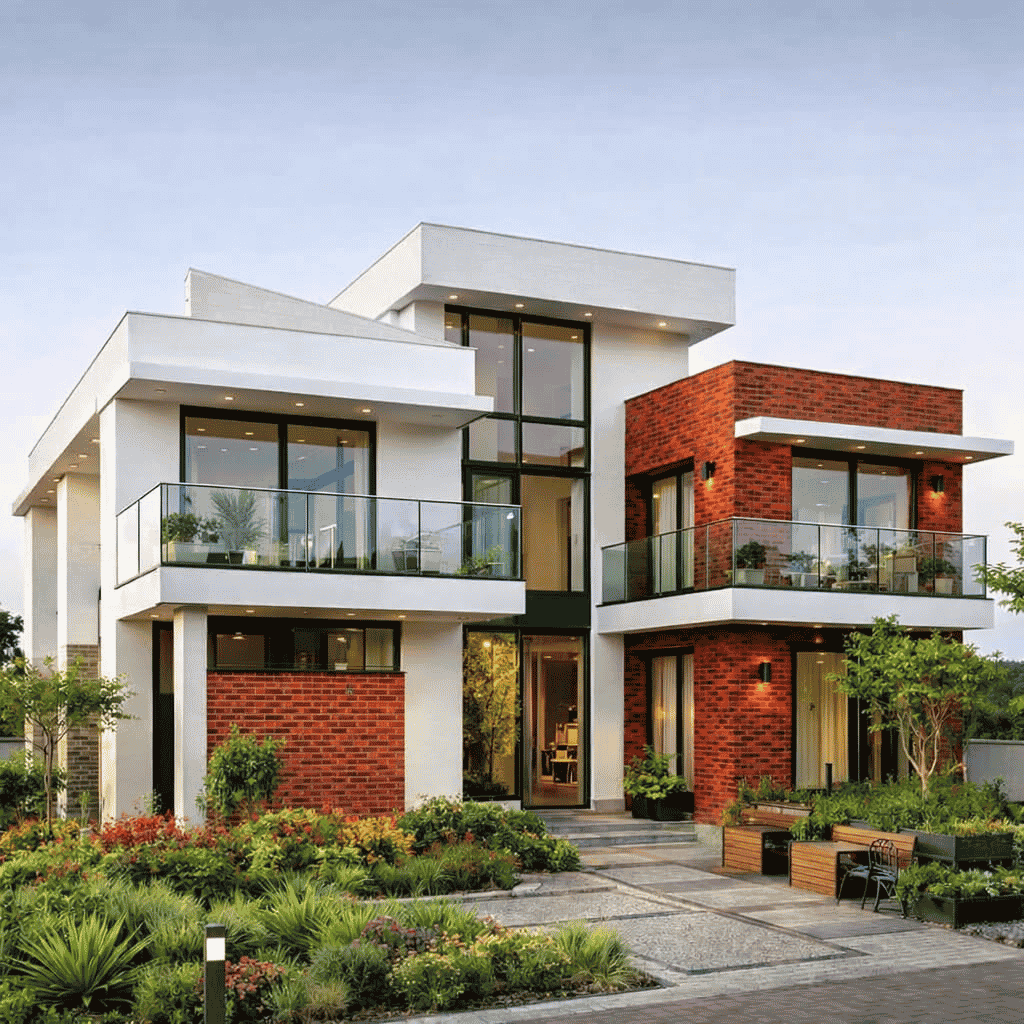
Interlocking Bricks Ghana — A Line-by-Line Cost Comparison
One of the strongest advantages of interlocking brick construction is the ability to reduce costs across multiple stages of a building project.
To understand why this is a low-cost house construction method, let’s look at the numbers.
| Item | Traditional Concrete Blocks | Interlocking Bricks |
| Cement Usage | High (Mortar + Plaster) | Very Low (Internal joints only) |
| Sand Requirement | High (For mortar and rendering) | Minimal |
| Plastering Cost | Mandatory (Internal & External) | Optional (Usually left as face-brick) |
| Painting Cost | Mandatory | Optional (Can be sealed/varnished) |
| Construction Speed | Average | 3x Faster |
| Cooling Cost | High (Thermal mass retains heat) | Low (Excellent thermal insulation) |
1. Lower Cement Consumption
Traditional walls consume large amounts of cement because every block layer requires mortar. Interlocking bricks dramatically reduce this need because the blocks fit together tightly.
For a medium-sized home, this alone can save thousands of cedis.
2. Reduced Plastering Costs
Because interlocking bricks have cleaner finishes, many homeowners leave the walls exposed for a modern architectural look. This eliminates expensive plastering work.
3. Less Painting Expense
Paint is one of the most underestimated building costs in Ghana. Exterior and interior painting can consume a large part of the finishing budget. Interlocking bricks often maintain their natural appearance beautifully without requiring paint.
4. Faster Construction
Construction speed affects total project cost. The longer a project lasts, the more money is spent on:
- Labor
- Site management
- Equipment rentals
- Security
Interlocking systems reduce construction timelines substantially.
5. Lower Maintenance
Traditional walls develop cracks over time due to plaster deterioration and weather exposure. Interlocking brick walls tend to require less frequent maintenance.
For people concerned about the rising cost of building in Ghana, these savings make a significant difference.
Faster Construction Means Lower Overall Building Costs
Time is construction money.
A project that drags on for months often becomes more expensive due to inflation, labor delays, and rising material prices. One of the key advantages of interlocking brick systems is speed.
Because the bricks align precisely:
- Builders spend less time adjusting blocks
- Less mortar mixing is required
- Construction teams work more efficiently
Some projects can be completed 30–40% faster compared to traditional methods.
This creates several financial advantages:
- Reduced contractor fees
- Lower labor bills
- Faster occupancy
- Earlier rental income for investors
For developers building multiple units, the savings become even more substantial.
This is one reason many professionals in Ghana’s property market are embracing Interlocking bricks Ghana systems for residential developments and affordable housing projects.
Sustainability & Comfort: Why Interlocking Homes Stay Cooler in Ghana’s Heat
Ghana’s climate creates a major challenge for homeowners. High daytime temperatures can make indoor spaces uncomfortable, especially in areas with poor ventilation and heat-trapping concrete walls.
Interlocking brick homes naturally solve part of this problem.
Because many interlocking bricks are made using compressed earth materials, they provide better thermal insulation than standard concrete blocks. These materials absorb and release heat more gradually, helping indoor temperatures remain cooler.
Studies and practical observations have shown that interlocking homes can remain approximately 3–5°C cooler than conventional concrete structures.
This creates several benefits:
- Reduced fan usage
- Lower air-conditioning costs
- Better indoor comfort
- Improved energy efficiency
In a country where electricity costs continue to rise, energy-efficient homes are becoming more valuable.
Sustainability is another major advantage.
Interlocking brick systems:
- Use less cement
- Produce fewer carbon emissions
- Reduce construction waste
- Depend more on locally sourced materials
As sustainable homes in Ghana trends continue growing, interlocking construction is becoming increasingly attractive to environmentally conscious homeowners and investors.
Why Smart Developers Are Switching to Interlocking Bricks
Real estate developers are constantly searching for ways to reduce project risk while increasing profitability. Interlocking brick systems offer both advantages.
Modern buyers now care about:
- Lower maintenance
- Energy efficiency
- Sustainability
- Faster project delivery
Developers using interlocking systems can often complete projects faster and at lower cost, improving overall return on investment.
This shift is also being encouraged by forward-thinking real estate professionals like Kekeli Buckner, who advocates for smarter property investment and modern housing solutions in Ghana.
As affordable housing demand grows, builders who embrace efficient construction technologies are likely to stay ahead of the market.
Common Myths About Interlocking Bricks in Ghana
Despite their benefits, several misconceptions still discourage some people from considering interlocking construction.
Myth 1: Interlocking Bricks Are Weak
Modern interlocking bricks are highly durable when properly manufactured and installed. Many are engineered to withstand heavy loads and long-term environmental exposure.
Myth 2: They Only Work for Small Houses
Interlocking systems can be used for:
- Residential homes
- Commercial buildings
- Schools
- Offices
- Multi-unit housing projects
Myth 3: They Look Unattractive
Many modern architects prefer the natural appearance of interlocking bricks because they create a clean, contemporary aesthetic.
Myth 4: They Cannot Handle Ghana’s Weather
Properly stabilized interlocking bricks are designed to withstand Ghana’s rain and heat conditions.
Myth 5: Financing Is Difficult
As alternative building methods gain acceptance, more financial institutions and developers are becoming open to non-traditional construction systems.
Is Building with Interlocking Bricks Right for You?
Interlocking brick construction is particularly ideal for:
- Budget-conscious homeowners
- Eco-conscious builders
- Investors seeking faster ROI
- People building in hot climates
- Developers constructing affordable housing
However, success depends on:
- Quality brick production
- Skilled installation
- Proper site planning
If you are trying to reduce the overall cost of building in Ghana while still achieving durability and modern aesthetics, interlocking bricks deserve serious consideration.
They are especially valuable for:
- Family homes
- Student housing
- Rental properties
- Affordable estates
- Rural housing projects
As demand for cheap building materials and efficient construction increases, interlocking technology is likely to become a major part of Ghana’s housing future.
Frequently Asked Questions
Are interlocking bricks cheaper in Ghana?
Yes. Interlocking bricks often reduce overall building costs by lowering cement usage, labor costs, plastering expenses, and construction time.
Do interlocking brick homes last long?
Yes. Properly manufactured interlocking bricks are durable and can last for decades with minimal maintenance.
Can interlocking bricks reduce indoor heat?
Yes. Many interlocking brick homes stay 3–5°C cooler than traditional concrete homes due to improved thermal insulation.
Can I build a two-story house with interlocking bricks?
Yes. Proper engineering and structural design allow interlocking bricks to be used for multi-story buildings.
Are interlocking bricks environmentally friendly?
Yes. They reduce cement dependency, minimize waste, and often use locally available materials.
READ ALSO: Stylish Modern Apartments for Sale in Spintex for Elite Urban Living
Conclusion
The true cost of building in Ghana is often hidden beneath plaster, paint, maintenance, delays, and rising cement prices. While traditional concrete construction remains common, many homeowners are beginning to realize that smarter alternatives exist.
Interlocking bricks Ghana solutions offer a powerful combination of affordability, speed, sustainability, and comfort. By reducing labor, minimizing cement usage, eliminating unnecessary finishing costs, and creating naturally cooler homes, interlocking systems can save builders thousands of cedis over the lifetime of a property.
As modern housing demand continues growing, the future of affordable construction in Ghana may depend heavily on innovative building technologies like interlocking bricks.
If you are ready to build smarter, reduce unnecessary expenses, and explore modern housing opportunities, visit Houses for Sale in Ghana for expert property insights and investment opportunities.
Ready to Build Smarter?
Through our Build A House In Ghana project, we help you build your own home with as little as Ghc 600,000. Visit our Build Page to see how we’ve helped hundreds of people save money.
- Browse our latest listings: Property for Sale in Ghana
- Read more on our blog: Real Estate Advice Ghana
- Email us: info@housesforsaleinghana.com
- Call/WhatsApp us: +233541425118
And if you are a student or young professional searching for reliable accommodation in Ghana, GetRooms makes hostel and room booking simple, secure, and stress-free.