The Ultimate Guide to Buying a Home in Ghana: Everything You Need to Know (2026)
The allure of the “Gateway to Africa” has never been stronger. As we move through 2026, Ghana continues to solidify its position as a top-tier destination for real estate investment, driven by a stable political climate, a burgeoning middle class, and a diaspora that is more committed than ever to “coming home.” Whether you are a local professional looking to escape the rent cycle or a Ghanaian living abroad seeking a retirement sanctuary, buying a home in Ghana is a monumental step toward financial security and a sense of belonging.
However, the journey to property ownership in West Africa can feel like navigating a labyrinth. Between complex land tenure systems and the fear of “double sales” by chiefs, individuals, companies, the government, or even families, many potential buyers hesitate. This is why having a certified expert is vital to navigating property litigation risks. Kekeli Buckner, the CEO of Houses for Sale in Ghana and GetRooms, has built a legacy of trust by leading many clients through successful, fraud-free property acquisitions. By conducting rigorous checks with the Bank of Ghana, the Lands Commission, and other state agencies, he ensures your investment is legally protected from the start.
This guide, backed by professional insight, is designed to strip away the mystery, offering a clear, step-by-step roadmap to navigating the Ghana real estate market 2026 with confidence and legal security.
Overview of the Ghana Real Estate Market in 2026
The real estate landscape in 2026 is defined by diversification. While the luxury market in Cantonments and Airport Residential remains robust, there is a massive shift toward “satellite cities” and affordable housing hubs.
- Urban Expansion: Demand has spiked in the Greater Accra and Ashanti regions, but we are also seeing significant urban-to-rural property growth in the Western Region (Takoradi) due to the expanding energy sector.
- Key Hotspots: Accra: Areas like East Legon Hills, Oyarifa, and Tema Community 25 are the go-to for mid-range families.
- Kumasi: The completion of major infrastructure projects has made Ahodwo and Hilltop prime investment zones.
- The Coast: Locations like Prampram and Ada are seeing a surge in “vacation home” developments.
- Investment Potential: Real estate in Ghana remains a high-yielding asset class, with rental yields in prime Accra locations averaging between 8% and 12% annually.
READ ALSO: How much is a House in Ghana? A Breakdown of Prices by Region
Types of Properties Available in Ghana
When considering property ownership in Ghana, you must first decide which path suits your lifestyle and budget.
1. Land vs. Completed Homes
Buying land offers the flexibility to build your dream home over time. However, for many in the diaspora, buying a completed home (off-plan or move-in ready) is preferred to avoid the stress of managing a construction site from thousands of miles away.
The Cost-Effective Alternative: If you want to build but are worried about costs, our Build A House In Ghana project uses innovative interlocking bricks to save you thousands. You can start your journey for as little as Ghc 600,000. Learn more about our building system here.
2. Gated Communities vs. Standalone Houses
Gated communities offer 24/7 security, paved roads, and managed utilities—perfect for those who value peace of mind. Standalone houses offer more privacy and no monthly service charges, but require you to manage your own security and maintenance.
3. Apartments vs. Detached Homes
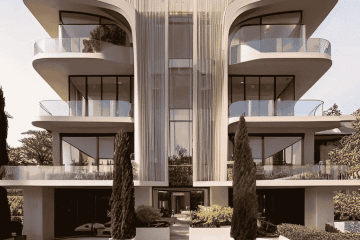
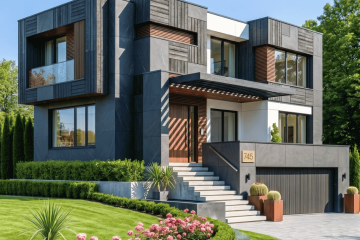
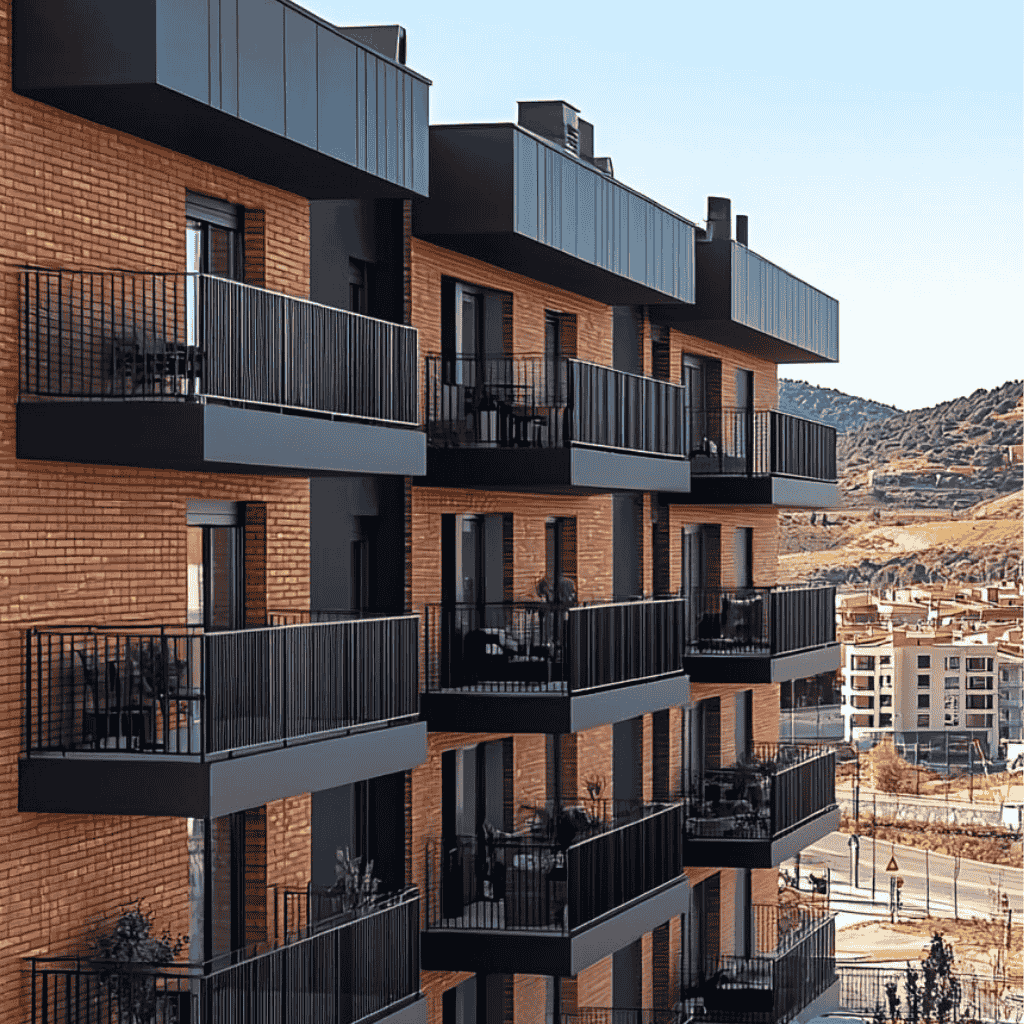
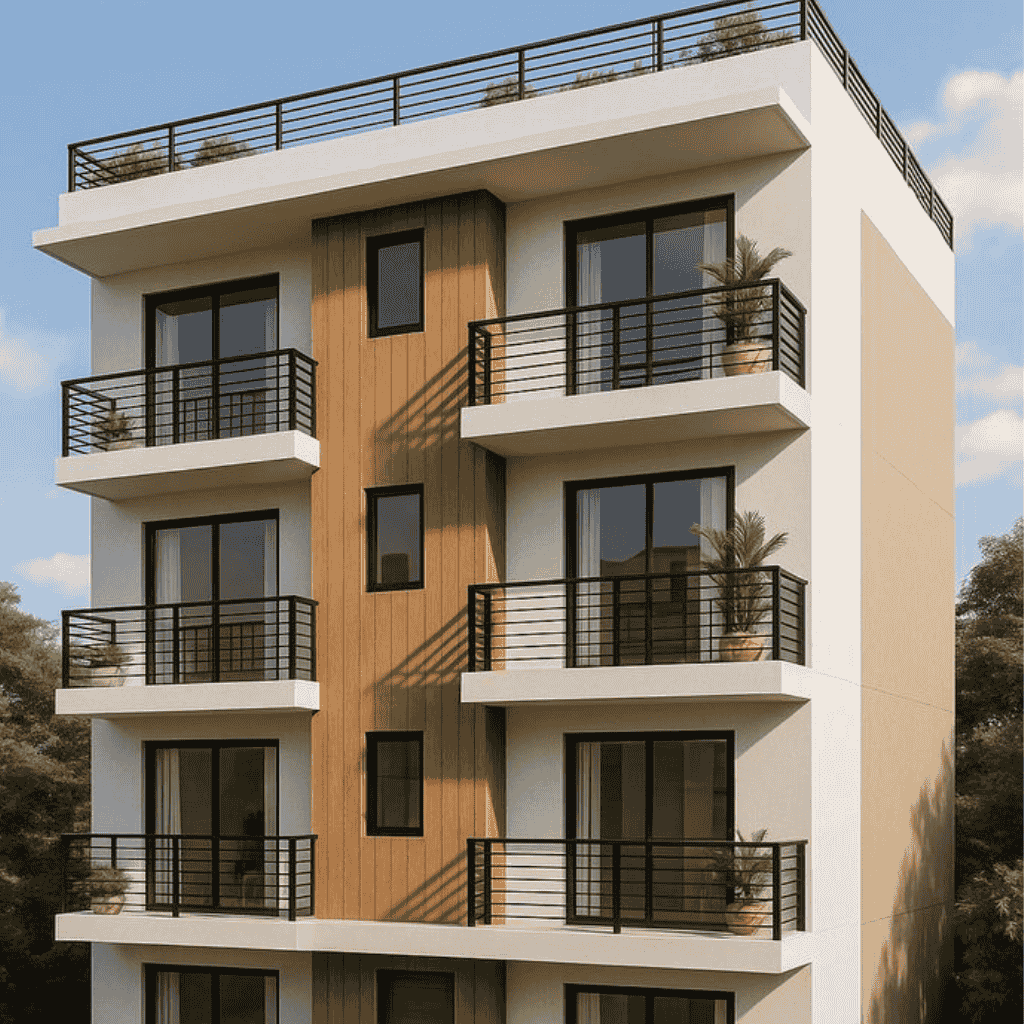
The 2026 market has seen a massive rise in vertical living. Apartments are excellent for high ROI in the rental market, while detached homes remain the preference for large families. You can browse our latest listings to compare these styles side-by-side.
Legal Requirements for Buying a Home in Ghana
Understanding real estate laws in Ghana is the only way to protect your investment.
- Who Can Buy: Ghanaians have the right to own land. Foreigners can also own property, but they are generally restricted to leasehold interests (usually up to 50 years for residential use, renewable), rather than freehold.
- Land Ownership System: Most land in Ghana is “allodial,” meaning it belongs to stools, kings, or families.
- Key Documents:
- Indenture: The agreement between the buyer and seller.
- Site Plan: A certified map showing the exact boundaries of the land.
- Land Title Certificate: The ultimate proof of ownership issued by the Lands Commission.
Step-by-Step Process of Buying a Home in Ghana
Navigating the purchase requires a disciplined approach to ensure you don’t fall victim to common pitfalls.
1. Property Search
Start by using a reputable platform. On our listings page, you can filter by Property Type, Region, Price, and Area to find exactly what fits your criteria.
2. Verification and Land Checks
Never pay a deposit until you have searched the Lands Commission. This confirms the “search report”—proving the seller actually owns the land and that there are no existing encumbrances or disputes.
3. Negotiation and Payment Structure
Once verified, negotiate the price. In 2026, many developers offer flexible payment plans, especially for off-plan properties, allowing you to pay over 12–24 months.
4. Drafting Agreements and Registration
Have a lawyer draft or review the Sales and Purchase Agreement. After payment, ensure the property is registered in your name. Property registration in Ghana is a multi-step process involving the Land Valuation Division and the Land Registration Division.
Costs Involved in Buying a Home in Ghana
The cost of buying a house in Ghana extends beyond the sticker price. Budget for these additional expenses:
| Expense Category | Estimated Percentage/Amount |
| Legal Fees | 1% – 5% of property value |
| Agency/Broker Fees | 5% (typically paid by the seller, but verify) |
| Stamp Duty | 0.5% – 1% (depending on value) |
| Registration Fees | Variable administrative costs |
| Hidden Costs | Property taxes, utility connection fees, and maintenance levies |
Financing Options & Mortgages in Ghana
Financing has become more accessible in 2026, though interest rates remain a consideration.
- Mortgage Providers: Banks such as Stanbic, Ecobank, and Republic Bank offer mortgage options in Ghana for both locals and those in the diaspora.
- Interest Rates: Depending on whether you borrow in GHS or USD, rates can vary significantly. USD mortgages often have lower rates but carry currency fluctuation risks.
- Requirements: You will typically need a 20-30% down payment, proof of income (pay slips, tax returns), and a credit report (even if you live abroad).
Common Risks and How to Avoid Them
The biggest threat to buying a home in Ghana is the dreaded “double sale,” in which one piece of land is sold to multiple buyers.
- Avoid “Cheap” Land: If the price is too good to be true, it likely has a legal dispute attached.
- Fencing and Occupation: In Ghana, physical possession is key. Once you buy land, fence it or start some form of development immediately to ward off encroachers.
- Verify the Seller: Always ensure you are dealing with the rightful head of the family or a legally authorized representative of the stool.
The biggest threat to buying a home in Ghana is the dreaded “double sale,” in which one piece of land is sold to multiple buyers. In 2026, property litigation remains a major hurdle, often stemming from disputes involving chiefs, individuals, private companies, government agencies, or even families.
The Solution: Expert Verification
Because of the high prevalence of fraud, having a certified agent is no longer optional—it is a necessity. Kekeli Buckner, the CEO of Houses for Sale in Ghana and GetRooms, has successfully led hundreds of clients through complex property acquisitions.
Unlike standard agents, Kekeli performs exhaustive checks with the Bank of Ghana, the Lands Commission, and other government bodies to ensure your title is 100% clean before any money changes hands.
Secure Your Investment: Avoid the “too good to be true” deals. Work with a proven leader to ensure your property is legally sound.
Direct Message: Chat with Kekeli Buckner Now
Best Places to Buy Property in Ghana
Choosing the right location depends on your goals:
- For High Rental Yields: Cantonments, Labone, and Airport Residential (Accra).
- For Family Living: East Legon Hills, Tema Community 25, and Oyarifa.
- For Affordability: Kasoa (Greater Accra/Central border), Prampram, and Aburi.
- For the “Next Big Thing”: The expansion toward the Appolonia City area and the Shai Hills corridor offers massive appreciation potential.
Check out our blog for deeper dives into specific neighborhood reviews.
Tips for Foreigners Buying Land in Ghana
Buying land in Ghana as a foreigner is entirely possible, provided you respect the 50-year leasehold rule.
- Lease Renewals: Ensure your contract has a “right to renew” clause.
- Currency: While many properties are quoted in USD, payments are often legally required to be made in GHS at the prevailing mid-rate. Always clarify this with your bank.
Future Outlook of Property Ownership in Ghana
As we look toward the late 2020s, the government’s focus on digitizing the Lands Commission is expected to reduce registration times significantly. Furthermore, the “Green Building” movement is taking hold. More buyers are looking for solar-ready homes and sustainable materials like our interlocking bricks, which provide natural insulation against the Ghanaian heat.
READ ALSO: Buying Land in Ghana: 5 Red Flags to Watch Out For to Avoid Scams
Conclusion
Buying a home in Ghana is more than just a financial transaction; it is an investment in your heritage and your future. While the process requires due diligence and patience, the rewards of owning a piece of the “Black Star of Africa” are unparalleled. By following the legal steps, verifying every document, and working with trusted partners, you can secure a home that will appreciate for generations.
Don’t let the complexity stop you. Whether you are looking for a luxury villa in Accra or looking to build a house in Ghana from scratch using our affordable $600,000 system, the right time to start is now.
Ready to take the next step?
- Browse Our Latest Listings: Find your dream home today.
- Start Your Build: Learn about our Build A House In Ghana project.
- Get Expert Advice: Contact us directly at info@housesforsaleinghana.com or call us at +233541425118.
- WhatsApp Us: Click here to chat with our team instantly.