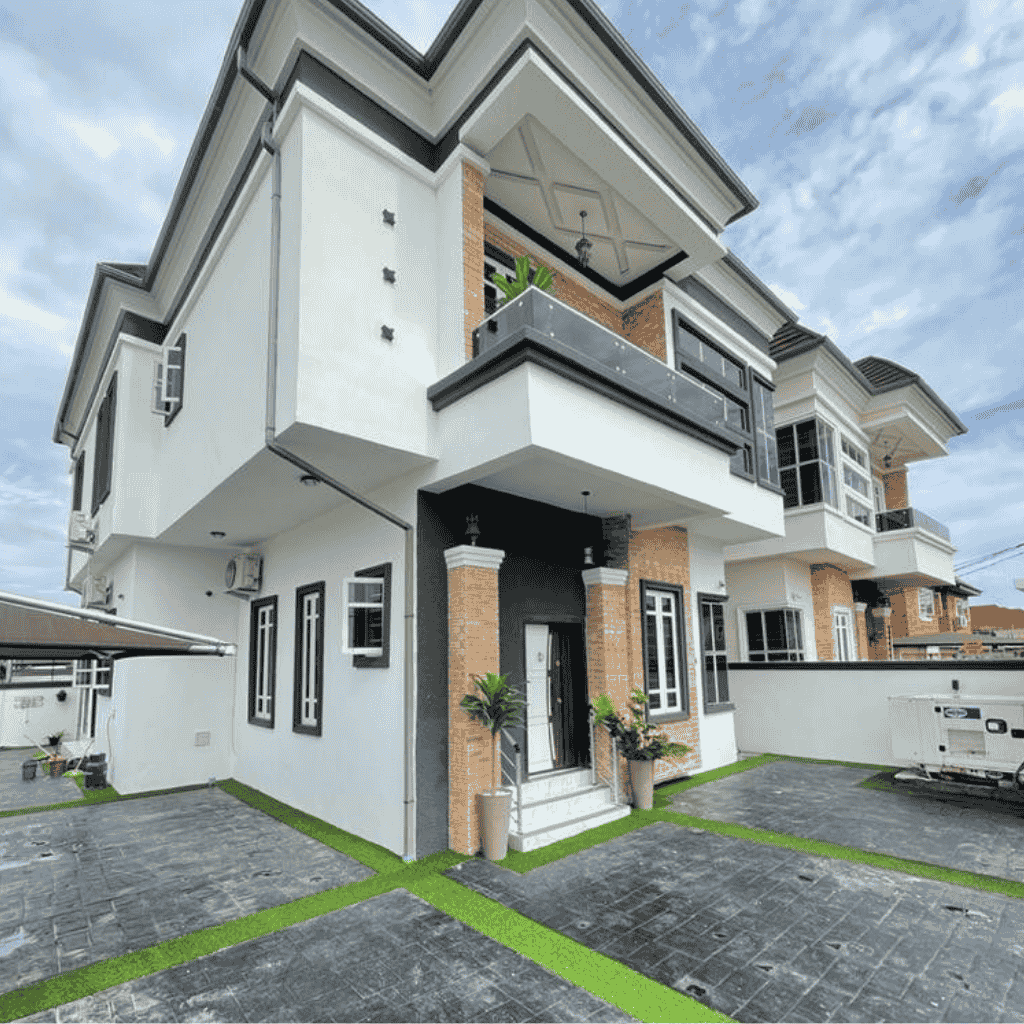
Financing Your Ghana Home: Can You Buy a House in Ghana with US Dollars?
The allure of owning property in Ghana has never been stronger. From the bustling urban energy of Accra to the serene coastal vibes of Ada, the Ghana property market trends show a significant uptick in interest from the diaspora and international investors. Whether you are a Ghanaian living abroad looking for a retirement home or a savvy investor seeking high rental yields, one question remains at the forefront of the transaction process: Can you buy a house in Ghana with US dollars?
The short answer is yes, but it comes with specific legal nuances and practical considerations that you must understand to protect your investment. In Ghana, while the Cedi is the official legal tender, the US Dollar is widely used as a benchmark for high-end real estate pricing. Navigating this dual-currency environment requires the right guidance. Platforms like Houses for Sale in Ghana have become essential resources for buyers to find verified listings and understand the financial landscape before committing, while GetRooms plays a major role by helping students access hostels right from the comfort of their homes.
Can You Buy a House in Ghana with US Dollars?
When asking, “Can you buy a house in Ghana with US dollars?” you are touching on a practice that is common yet strictly regulated. Most real estate developers in Ghana, especially those targeting the luxury and middle-income markets, quote their prices in USD. This is done to hedge against the fluctuations of the Ghana Cedi, providing price stability for the seller.
However, it is important to note the Bank of Ghana (BoG) regulations. Technically, the law mandates that all domestic transactions be settled in the local currency. In practice, this means that while the price is pegged to the dollar, you might be required to make the actual payment in Cedis at the prevailing exchange rate, or transfer the USD into a specialized foreign currency account held by the developer. Understanding this distinction is key to buying property in Ghana as a foreigner or a non-resident.
READ ALSO: Moving to West Africa? How to Secure Your Dream House in Accra
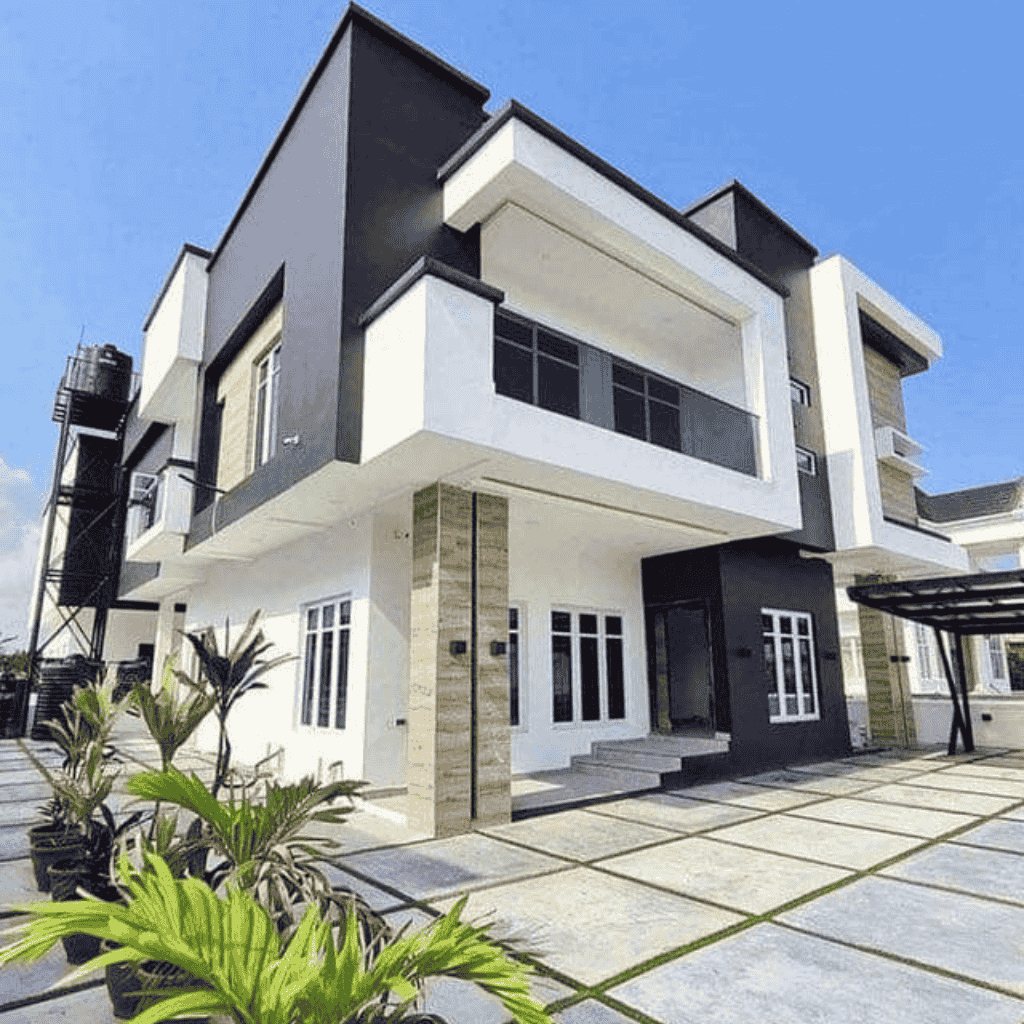
Understanding Ghana’s Property Payment System
The payment culture in Ghana varies depending on whether you are buying from a traditional family, an individual local seller, or a corporate developer.
- Diaspora and Foreigner Expectations: If you are buying from a developer, they are often set up to receive international wire transfers. They prefer USD because it simplifies their procurement of imported building materials.
- Local Transactions: For smaller plots or local sales in suburban areas, the Cedi is the primary medium.
- Forex Considerations: When you can buy a house in Ghana with US dollars, you must be aware of the “interbank rate” versus the “forex bureau rate.” Most developers use a rate slightly higher than the interbank rate to protect themselves from sudden currency drops.
Legal Considerations When Buying Property in Ghana
Before you part with your hard-earned dollars, you must understand land ownership laws in Ghana. The legal framework can be complex, and errors here can lead to long-term disputes.
Leasehold vs. Freehold
In Ghana, land is rarely sold as “freehold” to individuals. Most land is held under leasehold agreements.
- Foreigners: Can typically secure leases for up to 50 years.
- Citizens: Can secure leases for up to 99 years.
Due Diligence Requirements
- Title Search: Always search for the Lands Commission to verify the true owner.
- Indenture Verification: Ensure the document (indenture) describing the land boundaries and ownership history is legitimate.
- Legal Counsel: We highly recommend consulting real estate experts like Kekeli Buckner to oversee the legalities of your transfer.
Financing Options for Buying Property in Ghana
Finding the right Ghana real estate financing plan is often the biggest hurdle. Here are the three most common paths:
1. Cash Purchases
This remains the most common method. If you have the capital, paying upfront or in a short-term “outright” structure often earns you a significant discount. Sellers are more inclined to negotiate when they know you can buy a house in Ghana with US dollars immediately.
2. Mortgage Options in Ghana
Mortgage options in Ghana for the diaspora have improved, but they remain expensive compared to Western standards.
- Interest Rates: Expect rates between 9% to 12% for USD-denominated mortgages, and much higher (20%+) for Cedi mortgages.
- Requirements: You will need a significant down payment (usually 20–30%), proof of income from your country of residence, and a good credit score.
3. Developer Payment Plans
Many developers listed on Houses for Sale in Ghana offer flexible installment plans. You might pay 20% down and spread the balance over 12 to 36 months. This is often interest-free, making it a popular choice for those who don’t want a bank mortgage.
The “Build A House In Ghana” Alternative
If the cost of houses in Ghana seems too high, have you considered building? Through our Build A House In Ghana project, we assist the diaspora in constructing homes remotely with total transparency.
Save with Interlocking Bricks: You can build your own home with as little as GHC 600,000 using interlocking brick technology. Hundreds of our clients have saved thousands by using this eco-friendly, cost-effective method. It’s cooler, faster to build, and incredibly durable.
Learn more about building with us here.
USD vs. Ghana Cedi: What Buyers Need to Know
Deciding which currency to use for your property investment in Ghana involves calculating risk.
- Currency Fluctuation: The Cedi has historically depreciated against the Dollar. If you have USD, your purchasing power generally increases over time.
- Negotiation: Sellers love the stability of the dollar. You can often negotiate a better “closing price” if you are paying in USD.
- Hidden Costs: Be wary of bank transfer fees and conversion spreads. Sometimes, moving large sums of USD into Ghana can incur 1% to 3% in various fees.
Step-by-Step Guide to Buying a House in Ghana
- Property Search: Use the search filters on our listings page to narrow down properties by type, price, and area.
- Verification: Never skip this. Engage a surveyor and a lawyer to verify the land.
- The Offer: Submit a formal “Letter of Intent.” This is where you clarify that you can buy a house in Ghana with US dollars and set your terms.
- Sales Agreement: Both parties sign a contract outlining the payment schedule and milestones.
- Payment: Transfer funds via secure bank channels. Avoid “hand-to-hand” cash transactions for large amounts.
- Registration: Ensure your title is registered at the Land Title Registry.
Common Risks and How to Avoid Them
The real estate Ghana diaspora community often worries about scams, and for good reason. Common issues include:
- Double Sales: Two people are being sold the same piece of land.
- Fraudulent Agents: Always use verified real estate agents in Ghana through reputable platforms.
- Land Disputes: Often involving “Land Guards” or family litigations.
Safety Tip: Always work with established platforms like Houses for Sale in Ghana and professional consultants like Kekeli Buckner to ensure every document is vetted.
Best Platform to Find Houses in Ghana
To ensure a smooth journey, start your search with platforms that prioritize transparency:
- Houses for Sale in Ghana: Great for a wide variety of residential and commercial properties.
These platforms allow you to filter by Property Type, Region, Price, and Bedrooms, making it easy to find exactly what fits your budget.
Why Ghana is a Smart Real Estate Investment
Ghana remains a “beacon of stability” in West Africa. With a growing middle class and a massive influx of tourists during the “December in Gh” season, the demand for short-term rentals (Airbnb style) is skyrocketing. Investing now, especially when you can buy a house in Ghana with US dollars, allows you to lock in an asset that appreciates in value while earning income in a stable currency.
READ ALSO: Luxury Living: A Look Inside Airport Hills and Trasacco Valley Real Estate
FAQs
Can foreigners own land in Ghana?
Foreigners can own land on a leasehold basis, typically for 50 years, which is renewable.
Is it cheaper to buy in USD or Cedis?
It is often more predictable to buy in USD. While the “sticker price” might look high, it protects you from the Cedi’s volatility during a multi-year payment plan.
Are mortgages available for non-residents?
Yes, several Ghanaian banks offer “Diaspora Mortgages,” though you should be prepared for higher interest rates than in the US or UK.
How do I verify land ownership?
Search for the Lands Commission and verify the site plan with a licensed surveyor.
Conclusion
So, can you buy a house in Ghana with US dollars? Absolutely. While the Cedi is the official currency, the dollar is the language of real estate investment in the country. By understanding the legal requirements of leaseholds, conducting thorough due diligence, and utilizing modern building techniques like interlocking bricks, you can secure a beautiful home or a profitable investment property.
Whether you are looking to buy a finished home or build from scratch, having the right partners is essential. Don’t navigate the complex Ghanaian market alone.
Ready to secure your dream home in Ghana? Start your search today with trusted platforms like Houses for Sale in Ghana and GetRooms for hostels, and consult experts like Kekeli Buckner to make your property journey smooth, secure, and successful.
Get In Touch
- Browse Listings: https://housesforsaleinghana.com/listings/
- Email Us: info@housesforsaleinghana.com
- Call/WhatsApp: +233541425118